
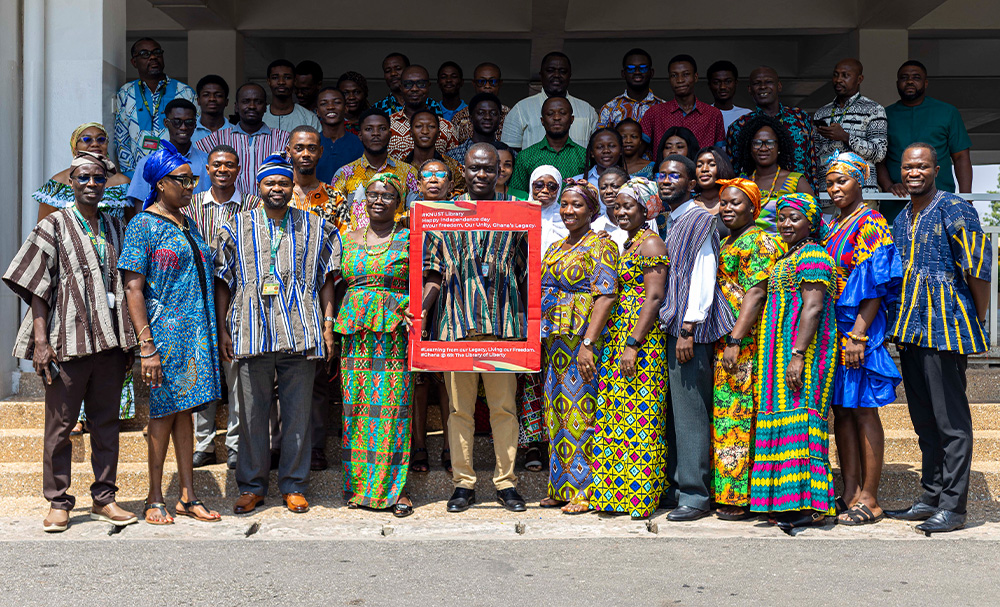
The Kwame Nkrumah University of Science and Technology, Kumasi Library has officially launched its Ghana Month Celebration in commemoration of Ghana’s 69th Independence Anniversary.
The event brought together staff and students to reflect on Ghana’s national identity, cultural heritage, and the role of knowledge in national development. It was under the theme “Learning from our legacy, Living our freedom. Ghana @ 69: The Library of Liberty”
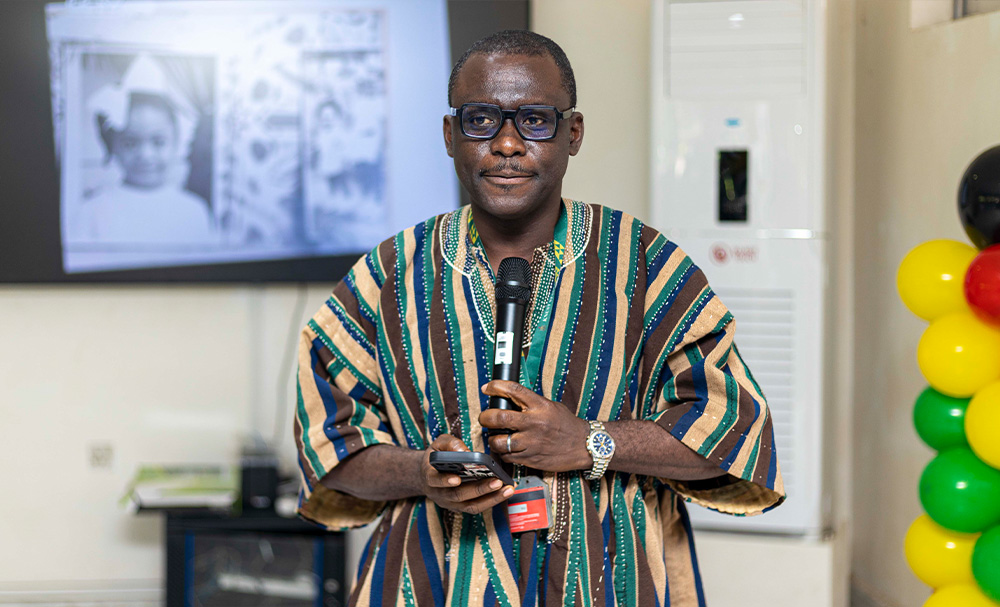
Speaking at the launch, Dr. Richard Bruce Lamptey the University Librarian explained that although Independence Day is a national celebration, the Library deemed it important to join the rest of the country in marking the historic occasion.
“As a library, we cannot remain isolated. We need to join the whole country in celebrating this important milestone in our history. Ghana will mark 69 years of independence on March 6, a reminder of the vision, courage, and sacrifices of the nation’s forebears who laid the foundation for the country,” he said.
He emphasised that the role of the university library extends beyond providing books and study spaces. According to him, the Library serves as a custodian of knowledge, culture, and scholarship.
“We preserve research documents, our history, and provide access to information that helps students and researchers understand our society, our challenges, and our opportunities,” she noted.
Dr Bruce Lamptey further stressed that knowledge remains central to national development. He called on members of the university community to actively participate in the planned activities throughout the month, urging them to use the period to read, research, and celebrate Ghana.
“Our university must continue to produce research that addresses national development, preserves our heritage, and contributes to growing our scholarship,” he said.
As part of the month-long celebration, the Library will highlight Ghanaian authors, indigenous knowledge, historical documents, and scholarly works that reflect the country’s intellectual and cultural heritage. Students and researchers have been encouraged to explore these resources to deepen their appreciation of Ghana’s past and present.
By: Abena Agyeiwaa Brefo


